Moths may be easy to overlook, but they’re actually really diverse. Australia has around 22 000 species of moths (the second largest group of insects). Around half of these have been scientifically named.
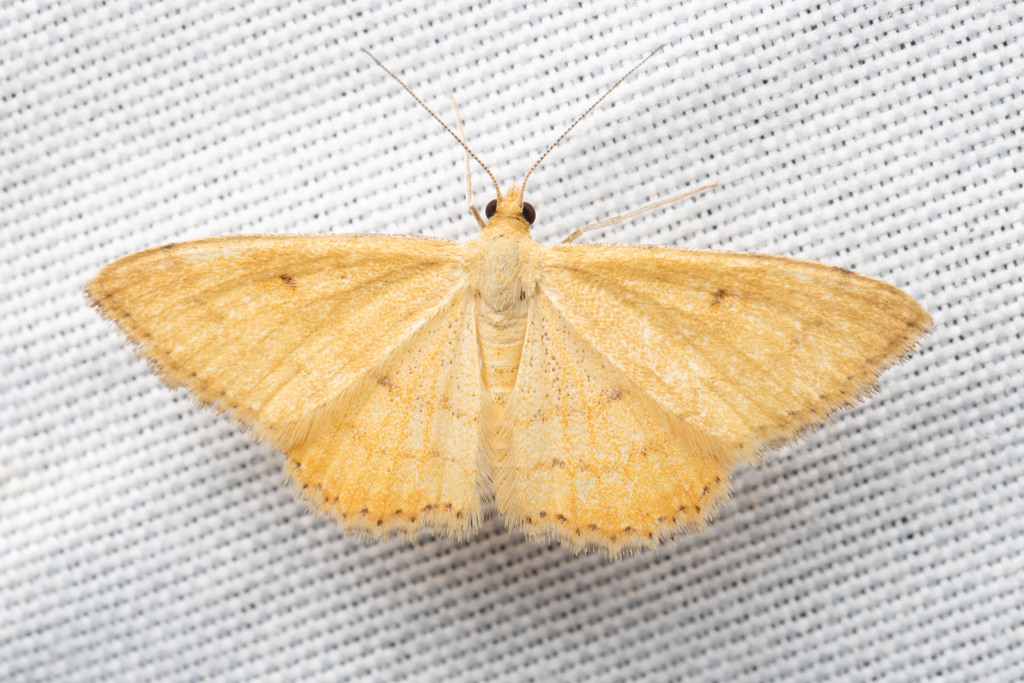
Credit: Jono Dashper, all rights reserved, used here with permission
How did you start mothing?
I’ve always been interested in animals in general, and I studied environmental science. A couple of years ago I got quite into iNaturalist, just logging as many species as I could and working through my backlog of thousands of images. Then I started observing new species. I’d had a moth sheet and a cheap moth UV light for a while. This year I decided just to try it at home in Melbourne.
Obviously, Melbourne is not a tropical location, so it’s not well known for its moths. But I thought I’d give it a try.
So, I set up my moth sheet most nights from about January to the end of April this year.
Over that time, I recorded quite a lot of different species—around 157! It kind of blew my mind that there was such diversity in a residential area.
There are trees around, but it’s by no means out in the bush or anything like that. It’s just regular suburban Eastern Melbourne. To find such high levels of diversity was quite astounding.
What kind of specialist equipment did you need?
I had a cheap UV light, which plugs into a power bank. And then I got a white sheet from an op shop and some string. I strung up the sheet, and that was it.
The light sits on my wheelie bin in my driveway.
So as far as cost of entry goes, it was extremely low.
What did you learn along the way?
Really, it’s about the diversity of moths. Obviously, not being a taxonomist, it is quite hard to learn all the specific different moths, and a lot of them don’t have common names.
Even trying to learn the different families was a good way to start. Basically, by uploading everything onto iNaturalist, I’m able to go back through all the records and remember what I’ve seen and when.
I also learnt a lot about the seasonality of the moths. Some moths will only be active in their moth form for a month or two each year. You might see them every night for a month and then you won’t see them again until that time next year.
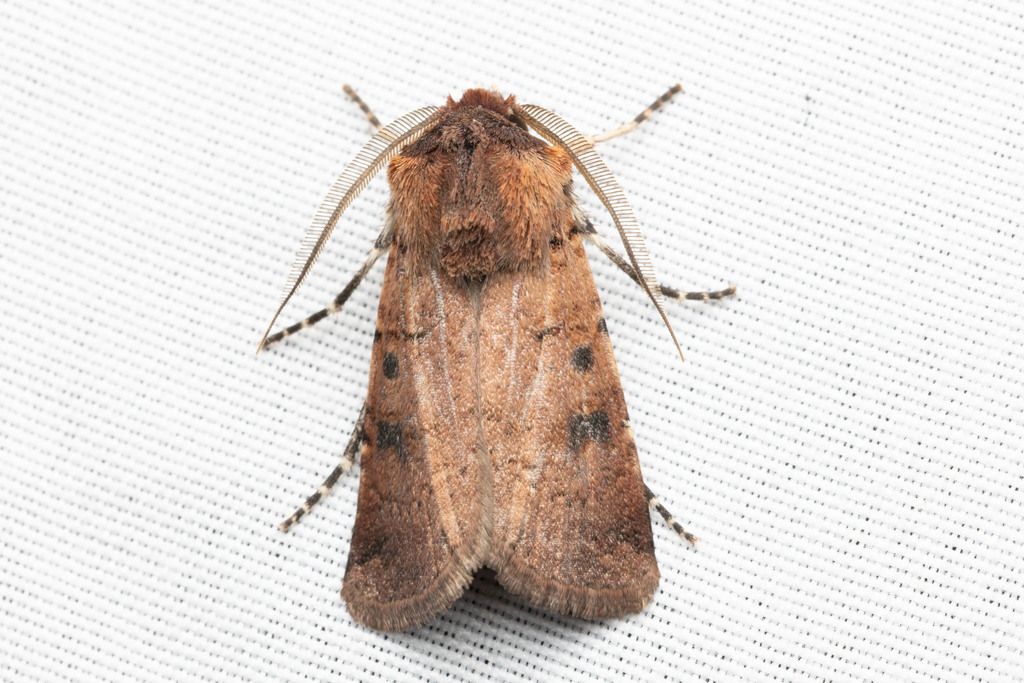
Credit: Jono Dashper, all rights reserved, used here with permission
And has iNaturalist been your primary site for info sharing and identification?
Definitely, iNaturalist, and being able to have all the data go into the ALA is fantastic as well—so you know someone will be able to look at that if they need to for research.
There’s some great identifiers on iNaturalist. They’ve identified the vast majority of my moth uploads. And it’s been really useful chatting with them about what I’ve seen and better ways to photograph moths to get the information needed to identify them.
The moth ID community is pretty specialist. There were 22 identifiers who helped identify the species I saw.
For me the iNaturalist identification process was pretty quick—normally within a day or two of uploading my images. However, some IDers are not on as regularly and might come through and do a bulk ID session once a month.
There’s also the computer vision model that iNaturalist runs, and that’s pretty accurate for moths in Melbourne. When you go to the tropics or somewhere more remote, it’s actually less accurate because there are fewer observations and so many more species.
How do you recommend other citizen scientists get started with mothing?
I think it’s just getting used to iNaturalist, downloading the phone app and logging what you see, and it doesn’t have to be just moths; it can be any plants or bugs or birds. I think that’s a great way to get into it.
If moths do take your interest, the cost of entry is really low, you can buy some relatively cheap equipment and use an old bed sheet. Just string it up, or if you’ve got a white wall that works as well, shine a light on it, see what comes and then use your phone to take photos of the moths and upload them to iNaturalist.
Do you have any tips you’ve learned along the way around photographing moths and invertebrates?
If you do have access to a high-quality camera, that helps, and if you’re able to take high-quality images, it does make the identifier’s job a bit easier just because you get high resolution and better lit photos that can help pinpoint what the species is.
Having said that, mobile phone cameras are amazing. I would just recommend you use a torch as well to light the subject so that it is well lit and not like a blurry nighttime kind of photo.
But, otherwise, it’s just about getting out there and having a look, even just in the back garden of a regular suburban house. It’s not about having to go somewhere tropical or super remote or anything like that.
Do you think most Australians would be surprised about the amount of local biodiversity? It’s making me think of that paper of the researchers in Queensland who found incredible biodiversity in their backyard.
I was incredibly surprised.
I was not expecting to find over 340 species of invertebrates on this block over two to three years.
We only have one tree, one gum tree, and some smaller bushes and shrubs that either we have planted or were here already. So, it’s not somewhere you would picture as being an epicentre of biodiversity. But it’s just incredible how many invertebrate species come and go from a regular suburban block.
Credit: Jono Dashper, all rights reserved, used here with permission
What’s your favourite moth species?
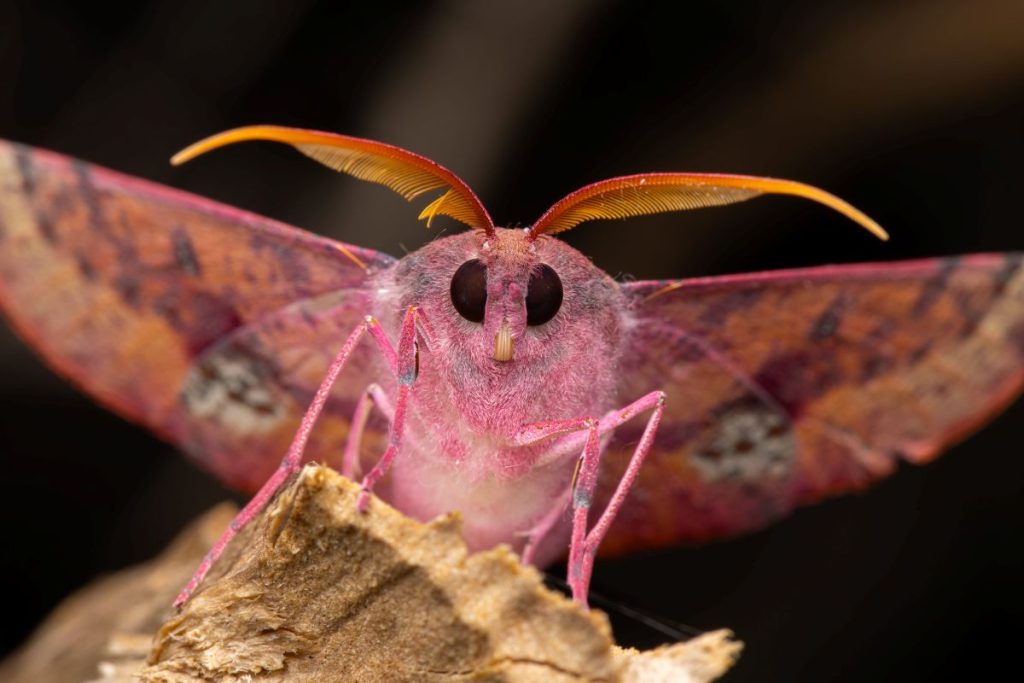
There’s a species called the pink-bellied moth in Melbourne. I haven’t actually recorded it in my moth sheet here, but I did see it in Sydney.
It’s basically a bright pink moth. It’s quite pretty and it’s quite large compared to other moths. So that one holds a special place for me.
What do you see as the future for this kind of local citizen science?
The opportunities are endless. The more people that get involved in citizen science, the more robust data that can be collected and then the more longitudinal studies that can be conducted. So, we can better monitor where species are disappearing, or coming and going.
As an aside, if people do end up doing any moth trapping, there’ll be lots of other invertebrates that come to the sheet as well, beetles and all sorts of other things. So definitely, if you’re using iNaturalist, log everything!
See Jono’s moth observations on iNaturalist and Instagram.
Find about more about National Moth Week.
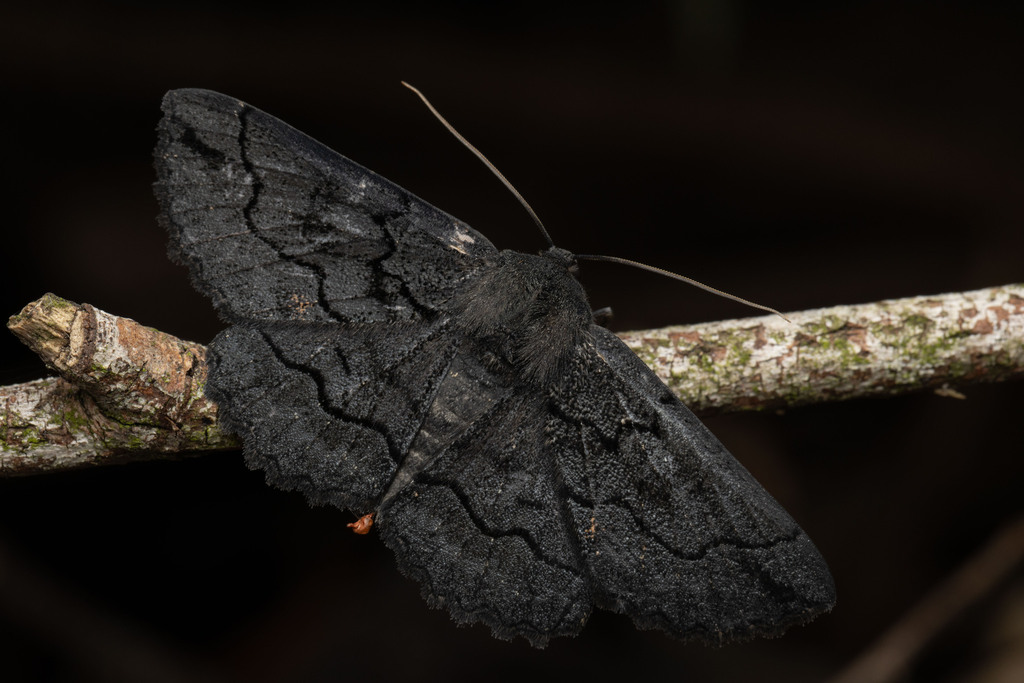
Credit: Jono Dashper, all rights reserved, used here with permision