New projects will fill gaps in Australia’s national biodiversity data system
Posted on
Six new biodiversity data mobilisation projects will contribute approximately 85,000 new records to the Atlas of Living Australia (ALA) under our Australian Biodiversity Data Mobilisation Program 2025.
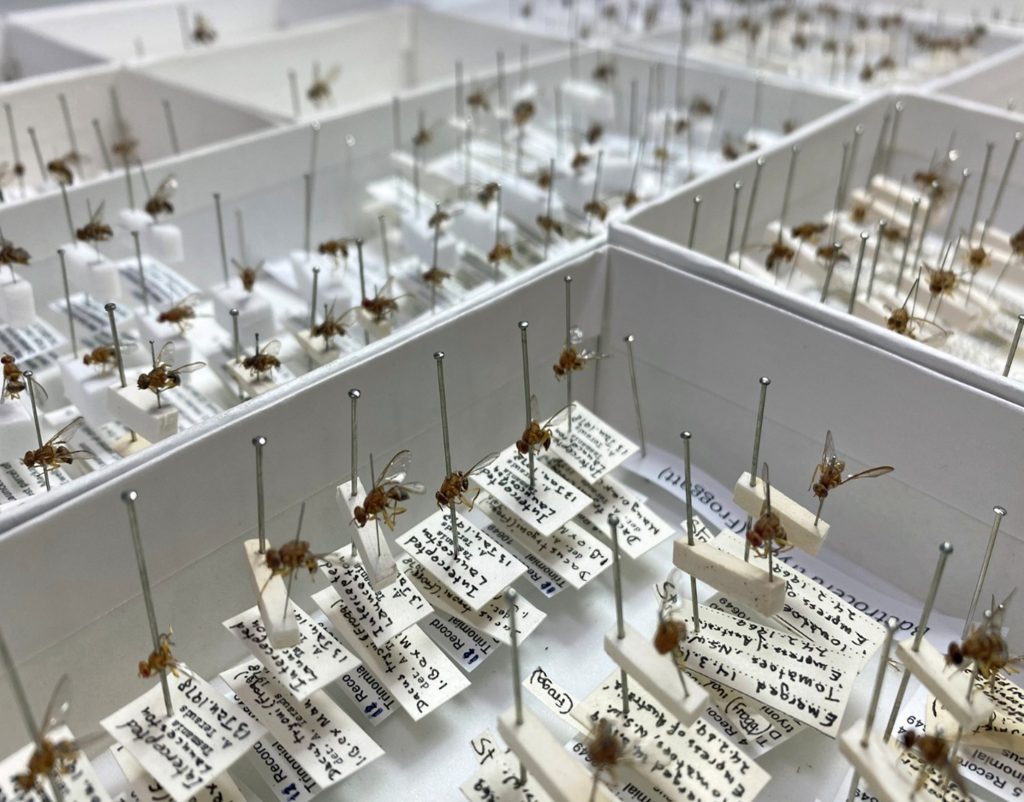
Biosecurity Tasmania ran a previous ABDMP project to mobilise more than 73,000 invertebrate specimen records from the Tasmanian Agricultural Insect Collection. Photo: Melissa Houghton, Biosecurity Tasmania.
The program helps data holders share species data that otherwise couldn’t be made available on the ALA, making them accessible for research and decision-making globally.
More complete data makes it easier to understand where species are for conservation assessment, how populations are changing, and how ecosystems are responding to external influences.
Species covered include amphibians, bryophytes (the collective term for mosses, hornworts and liverworts), fish, insects, mammals, moths, plants, reptiles and sharks. They come from collections across New South Wales, Western Australia, Tasmania and the Northern Territory.
Juliet Seers, ALA program lead, said that unlocking these new records will help give a more comprehensive picture of Australia’s environment.
“This is about filling in the gaps in our national biodiversity data system through the ALA, which can be taxonomic, geographic, or temporal,” Juliet said.
“In just four years, the program has brought almost a million new records into the ALA.
“These records will create a more representative database for biodiversity research and decision-making.
“And new records will include specimens from really out-of-the-way places such as Australia’s Antarctic territories and remote parts of arid central Australia.”
The six successful projects are:
Digitising the Curtin University Herbarium (Western Australian Herbarium)
Digitising the Downing Herbarium (Macquarie University)
Mobilising Northern Australian Fish and Terrestrial Vertebrate Tissues (Museum and Art Gallery of the Northern Territory)
Digitising and mobilising the Botany Collection (Queen Victoria Museum and Art Gallery)
Addressing knowledge gaps in Tasmanian insects (Tasmanian Museum & Art Gallery (TMAG)
Mobilising Agrotis moth genus data (Western Sydney University)
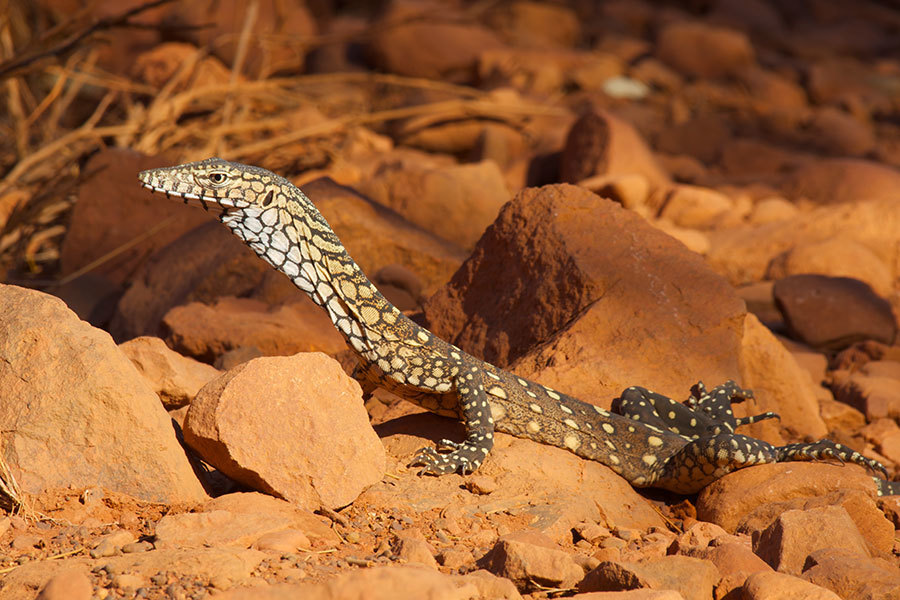
Perentie (Varanus giganteus) Photo: John Sullivan, CC BY-NC
What will the funds be used for and what processes will the records undergo?
The projects aim to support data validation and digitisation activities. This may include photographing specimens, transcribing information from specimen labels, verifying names and taxonomy, applying standardised geographic coordinates, and providing metadata where available.
Metadata includes institutional and principal research contacts and any licensing or usage conditions.
As the data becomes available through the ALA, it is also published globally through the Global Biodiversity Information Facility, supporting international science and policy.
What are the benefits from training and capacity building?
These projects will also provide learning and development opportunities for staff, students, and volunteers. Training may include biological collection management and digitisation, understanding biodiversity data standards, taxonomy, and approaches to generating high-quality digital data.
Through this initial funding under the Biodiversity Data Mobilisation program, it is anticipated that institutions will build the capacity to continue delivering data to the ALA.
Successful 2025 Projects
Digitising the Curtin University Herbarium (Western Australian Herbarium, Department of Biodiversity, Conservation and Attractions)
• The Curtin University Herbarium, now housed at the Western Australian Herbarium, was established in the 1970s and includes plant specimens from long-term monitoring plots in the Pilbara, Murchison, and mining tenements and revegetation sites. Several ‘type’ specimens are also hidden within the collections. • Several university student interns will assist with the imaging, databasing and processing of the mounted and labelled orphaned collection.
“This project will accelerate databasing and data sharing of this unique collection, including the digitisation of ecological voucher collections not found in any other herbarium,” Collections Manager, Shelley James.
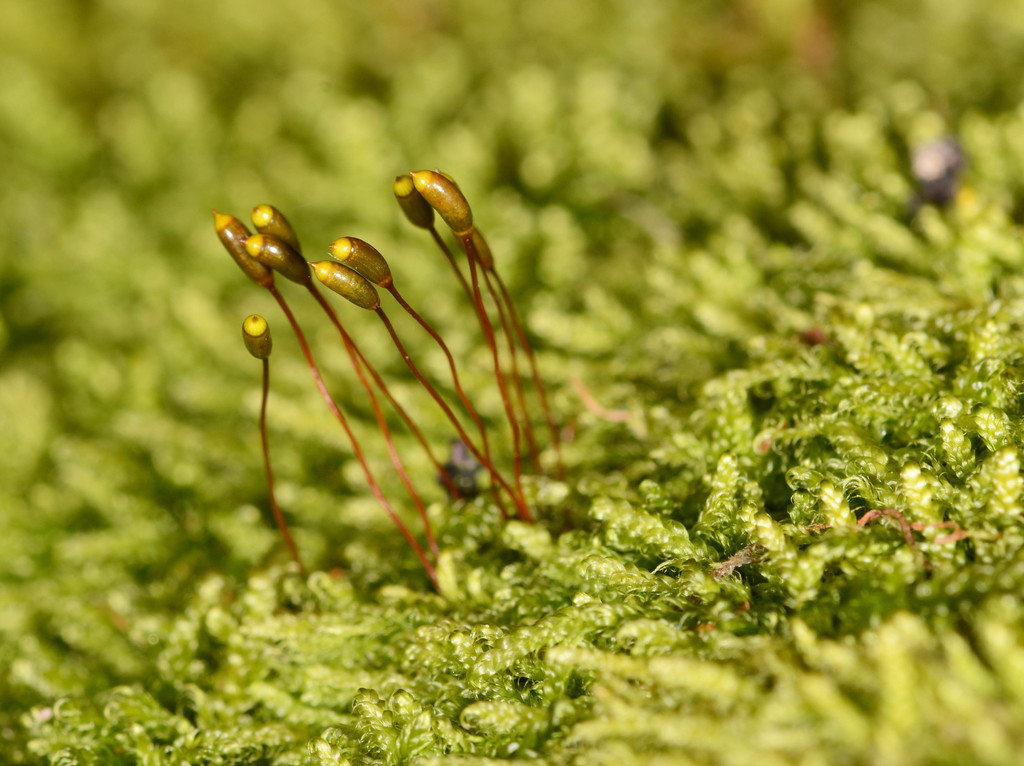
Combed Plait-moss (Hypnum cupressiforme var. filiforme). Photo: John Walter, CC BY-NC
Digitising the Downing Herbarium (Macquarie University)
• The Downing herbarium houses a unique collection of mosses, hornworts and liverworts (bryophytes) and vascular plants primarily curated by Alison Downing and Karen Marais at Macquarie University. • It includes specimens from remote locations such as Macquarie and Heard islands, Antarctic territories and the seldom visited Kerguelen Islands. • Bryophytes are well known as important indicators of environmental conditions, climate change and pollution but are often overlooked in sampling efforts.
“The majority of samples have a detailed verbal location description but lack the geographic coordinate data essential for the incorporation into the mapping of species distributions and other spatial analysis. This project will transcribe digital coordinates from the verbal descriptions and field notes for these specimens as well as adding photographs of each voucher, mobilising the occurrence records for the users of the ALA using best practice techniques,” Project lead, Julian Schrader.
Mobilising Northern Australian Fishes and Terrestrial Vertebrate Tissues (Museum and Art Gallery of the Northern Territory)
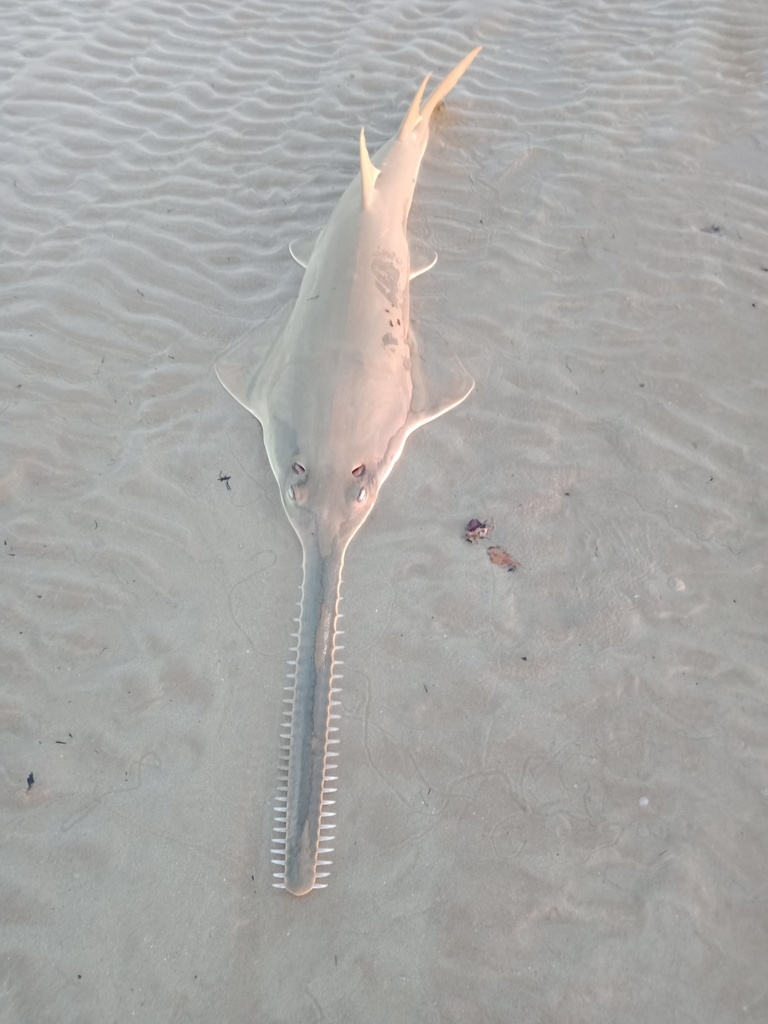
Green Sawfish (Pristis zijsron) Photo credit: Vicki, CC BY-NC.
• Tissue samples, as genetic resources, are rapidly becoming one of the most sought-after specimen and data types globally. Currently the tissue collection is digitally dark and inaccessible via public platforms to interested researchers. • The archival tissues focus on Top End macrotidal reef and estuary habitats, which are generally not well represented in collections. The collection also covers inland freshwater habitats, which are a current gap in ALA records. • The terrestrial vertebrate tissues primarily cover reptiles and amphibians, and include threatened and critically endangered monitors (Varanus spp.).
“Mobilising tissues to assist with important research that will underpin conservation efforts for freshwater fishes is a timely task. An estimated three quarters of Australia’s freshwater fish are found nowhere else on earth. More than a third of these species are at risk of extinction. It will also help to underpin collections-based research important to documenting biodiversity” Project lead, Kirsti Abbott.
Digitising and mobilising the Botany Collection (Queen Victoria Museum and Art Gallery)
• This project will improve the representation of Tasmanian flora, particularly from the north and inland regions. Some of these areas are underrepresented in the ALA and of ecological importance due to their unique and endemic plant communities. • The collection includes specimens from the late 1800s and early 1900s, offering historical insights into plant distributions and environments from periods that are currently poorly represented in the national dataset. • These data are vital for understanding long-term ecological changes, identifying shifting baselines, and predicting future trends in biodiversity under climate pressure.
“High-quality images and data made accessible through ALA will facilitate remote identification and review by experts. This is currently our experience with the arthropod data we have shared with the ALA where researchers constantly get in contact with us to study specimens collected a long time ago in this region. This project will help ensure that these important and historical specimens can contribute to research in conservation, climate change, species distribution, and ecological restoration,” Project lead, Alfonsina Arriaga-Jiménez.
Addressing knowledge gaps in Tasmanian insects (Tasmanian Museum & Art Gallery (TMAG)
• Tasmanian biodiversity is world-renowned for its uniqueness, with high levels of endemism, both at species-level and higher. Among the insects proposed for digitisation are threatened species, including several butterfly species and subspecies endemic to Tasmania. • This project will fast-track the digitisation of Tasmanian insect specimens covering Coleoptera (beetles), Hymenoptera (wasps) and Lepidoptera (moths). • Expanding the coverage of invertebrates on the ALA is important in rectifying the current bias towards using vertebrates and plants in fields of study as diverse as biogeography, ecology, climate change impacts and conservation science, as well as in environmental impact assessment.
“TMAG’s Tasmanian invertebrate collections are a potential information goldmine regarding the status and distribution of Tasmania’s unique fauna, both past and present. Some of the taxa concerned have no databased specimens, either from TMAG or from any other institution contributing to the ALA. In an increasingly online world, it is almost as though they don’t exist at all,” Project lead, Dr Simon Grove.
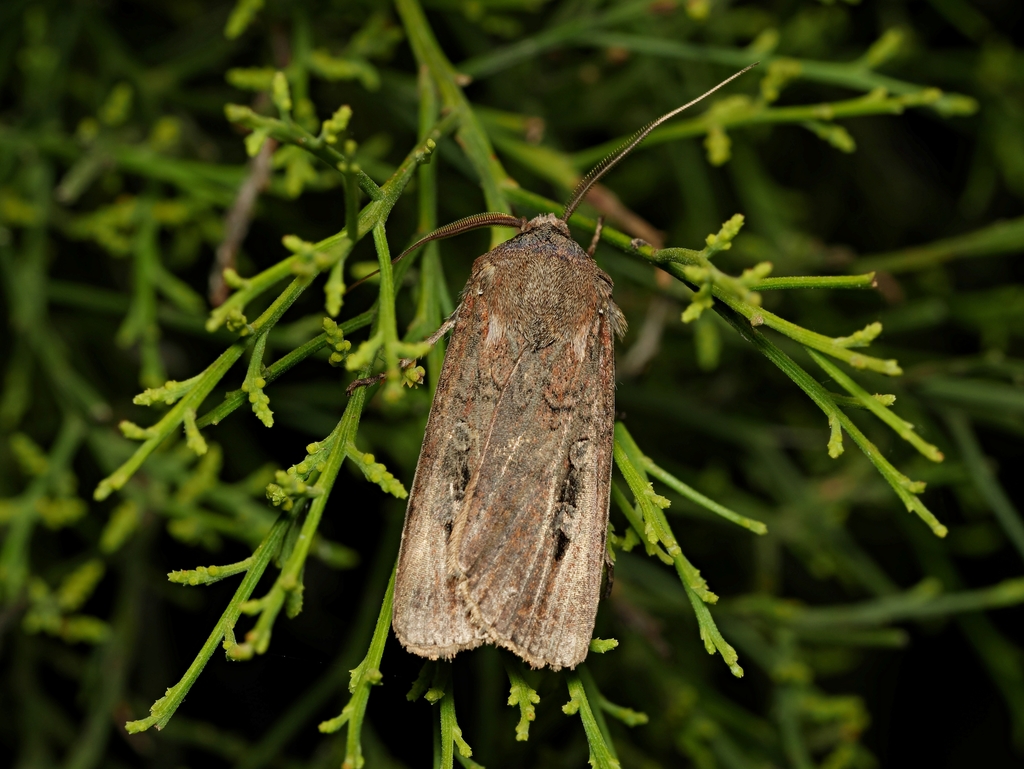
Bogong Moth (Agrotis infusa) Photo: Paul George, CC BY-NC-SA)
Mobilising Agrotis moth genus data (Western Sydney University)
• This project will mobilise museum records of Agrotis moths from across Australia to provide future research opportunities in both conservation and agriculture. • This genus includes the Bogong moth (Agrotis infusa), which is culturally important to First Nations Peoples and an endangered keystone alpine species. • As larvae, many Agrotis species are crop pests known as cutworms. This conflict between a need for conservation and pest control makes land management of the breeding grounds of this genus challenging.
“Building a national baseline dataset of Agrotis distribution over time is important to conservation, culture and agriculture because it will allow a better understanding of how this complex genus could be managed, for example, where targeted pest management should be applied or where conservation schemes could be implemented,” Project lead, Eleanor Drinkwater.
Customise Your Experience
To best tailor your experience, please let us know
Which group do you associate with most?
Use the Customise Your Experience link at the top of the page to easily change your nominated user group at any time.