
Taxonomy is the science of naming, describing and classifying organisms. It’s the basis for how data in the ALA are organised.
Species taxonomy is continuously evolving based on new scientific discoveries (new species being described), as well as techniques such as genetic sequencing, bioinformatics and advanced imaging which can change the way researchers understand existing species leading to re-classification and new names.
For the past two years, we have been changing and cleaning up our ALA taxonomic backbone. The first stage was the taxonomic backbone refresh we released in 2024. Now, we are replacing that with a brand new backbone that should make it easier for our users to navigate and find the species information they need.
The biggest change should be almost invisible to our users – we’ve spent 12 months identifying and removing duplicates and unnecessary names, and correctly linking synonyms (different names for the same species) that were previously unlinked (being treated as different species). This reduced the number of species names in the ALA down from 283,000 to 218,000.
The next stage was to look at the 9 million records that either didn’t match to the taxonomic backbone or matched at higher taxonomic levels. Quite often these are as a result of spelling errors in the scientific names on observations, the use of common names instead of scientific names and other issues. We’ve directed many of these records to the correct species.
As a consequence, this has redirected around another 2 million records to the correct species. More importantly, these changes have added the first data for over 10,000 species. And, for over 4,000 species, correctly redirected records have increased their number of records by more than 40%.
Our new backbone taxonomy now matches to 99% of all statutory and state lists. Ultimately this update makes our taxonomy more accurate and our records easier to search and use.
So, what else is different? To make that clearer, we’ll need to go through how data is structured in the backbone.
How are species structured in the ALA?
The ALA taxonomic backbone is based on the National Species List (NSL). Because the ALA includes herbarium data (plants and fungi) from New Zealand and because we also cover groups that the NSL does not cover (eg bacteria and viruses), we also draw names from the New Zealand Organism Register (NZOR) as well as the Catalogue of Life (CoL). Previously, these have been merged together automatically.
Our 2024 backbone refresh made big changes to remove duplication of species listings and improve accuracy and navigation when searching for new species or threatened species records in the ALA.
What are the 2025 changes?

We’ve made some big, but less visible changes. The most obvious change is that we’ve updated the taxonomy to include all species described, as at June 2025. We have also simplified the Tree of Life (like a family tree showing how species are related using a structure with classifications such as Kingdom, Phylum, Class etc) to remove high-level duplications that result from us combining different sources.
Now, instead of just merging sources together we “add” species that are not in the NSL. It’s a more targeted and curated approach. This is particularly important for New Zealand plants and fungi.
Another big change is that we’ve added the Australian Algal Names Index, adding around 11,000 species. We’ve previously relied on an international source for algal names and that did not load properly last time. We’ve also changed fungi, bryophytes and protista so that we are only taking names from NZOR and NSL.
We’ve also removed a lot of species that were “international” particularly in groups like Protists. In the short term this will mean that some groups, such as slime moulds – where we were reliant on international sources – will only be represented at a higher level in the ALA until we can develop a better solution.
A number of quite major taxonomic changes have recently been published, since June 2025. Where we haven’t been able to include these (too late in the process and too big a change to the NSL), we’ve referenced these newly described species or new genera back to the names as recorded in the NSL. For example, all the new genera in the tree frogs are referenced back to Litoria (the previous genus that contained all Australian tree frogs).
While birds have millions of records, many species in the ALA have few or no records, so it is essential to get as many records matching as possible. The 2025 changes add around 59,000 records to 2,549 species that previously had fewer than 100 records each.
What still remains to be done?
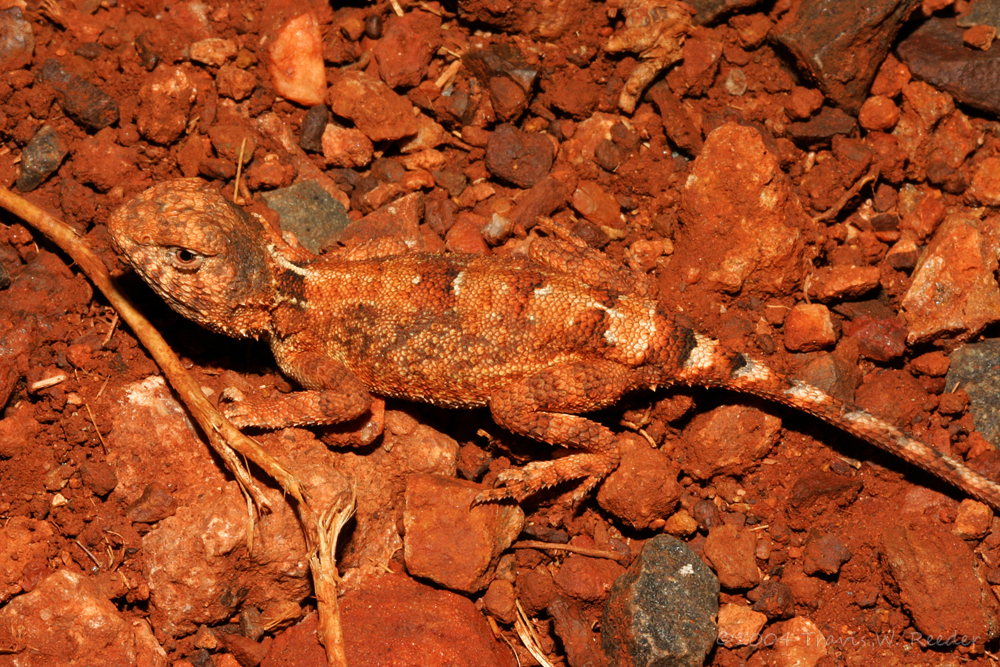
A big issue we still need to deal with is where a species is split into multiple species. For example, the pebble dragon (Tympanocryptis cephalus) had a number of new species described within it, including Tympanocryptis gigas and T. diabolicus.
The problem is that, as with most aggregated databases such as the state and territory government atlases, records are placed based on the species names used in the data or what the species was named at the time it was recorded.
So if a record with a scientific name of T. cephalus comes in that is actually T. gigas, there is no way to place this correctly as T. gigas (currently).
We’ll initially be looking at a way of flagging species with users so that you will know to look at more than one species to get the full picture. Down the track, we hope to place these records but flag them so our users know they have been placed automatically.
The other big challenge is to develop a better approach to names-matching. When data comes into the ALA, the species names in the data are matched automatically to the most correct place. This system is not perfect. This is not just the programming in the ALA; species names themselves cause problems. For example, there are over 5,000 homonyms in the ALA (identical species names for unrelated species). We hope to improve names-matching over the next 12 months.
All changes to the ALA taxonomic backbone have been actioned in consultation with the Australian Biological Resources Study and the Australian Plant Census.