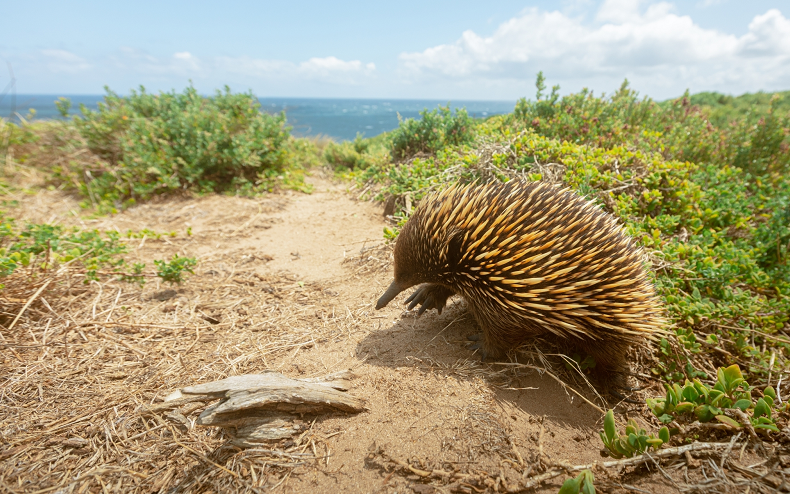
iNaturalist Australia makes huge contribution to biodiversity data Posted on 1st April 2021 A recent review of iNaturalist Australia highlights its success since launch in 2019.
ALA webinar: Exploring citizen science in the context of disaster response and recovery Posted on 4th March 2021 The Atlas of Living Australia (ALA) provides access to Australia’s largest collection of biodiversity information via the provision of open infrastr…
ALA Newsletter February 2021 Posted on 24th February 2021 Atlas of Living Australian Newsletter February 2021
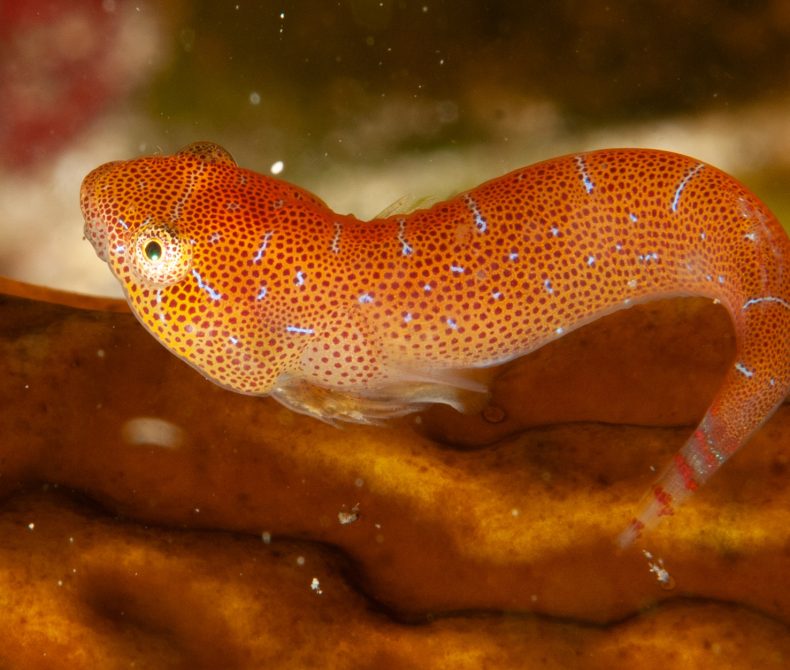
Helping you search and filter data in the ALA Posted on 23rd February 2021 Our new data quality filters, called Data Profiles, allow you to filter out incomplete or inconsistent records. This makes it easier to find the data …
GBIF Young Researchers Award 2021 – Australian nominations Posted on 23rd February 2021 Nominations are now open for the GBIF 2021 Young Researchers Award.
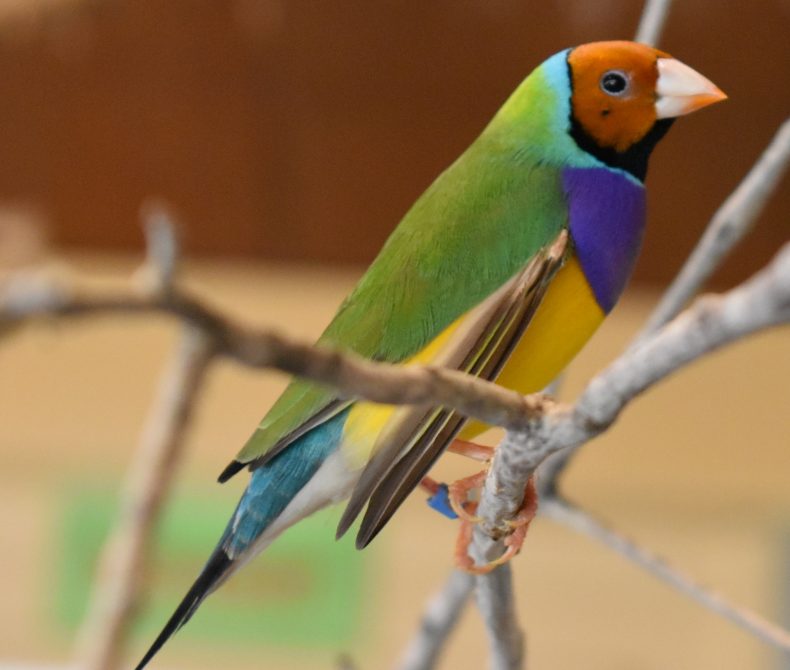
Director’s update – February 2021 Posted on 23rd February 2021 Welcome to the first of our 2021 ALA newsletters.
Improving access to sensitive species data Posted on 17th February 2021 Data for sensitive species is critical for researching and managing our threatened species and ecosystems. Currently, sensitive species data is hard t…
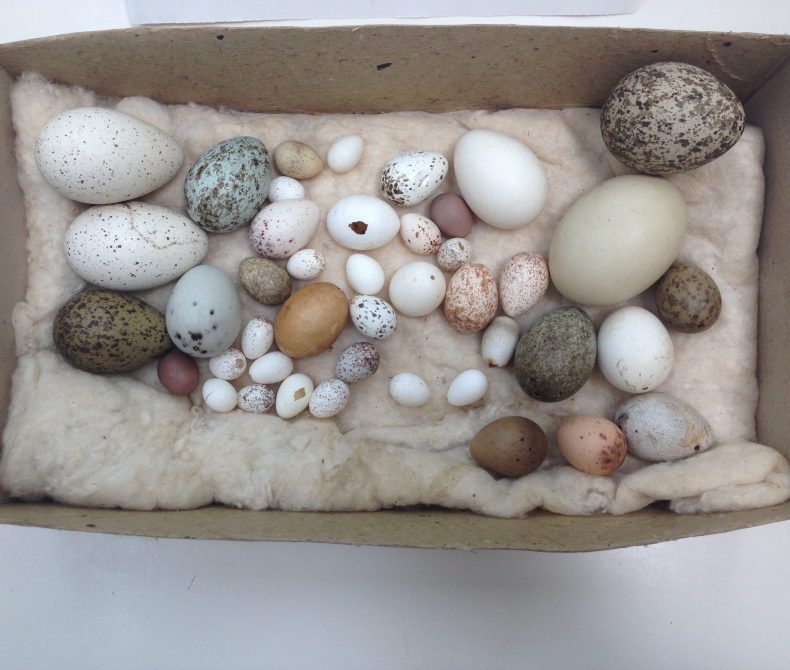
DNA key to identifying eggs in museum collections Posted on 15th January 2021 A new study shows how the scientific value of collections can be improved by DNA technologies that provide high-confidence taxonomic identifications o…
Data partners Posted on 17th December 2020 As part of our celebrations to mark 10 years of the ALA, we would like to thank all our data partners for all their contributions over the decade. Our…