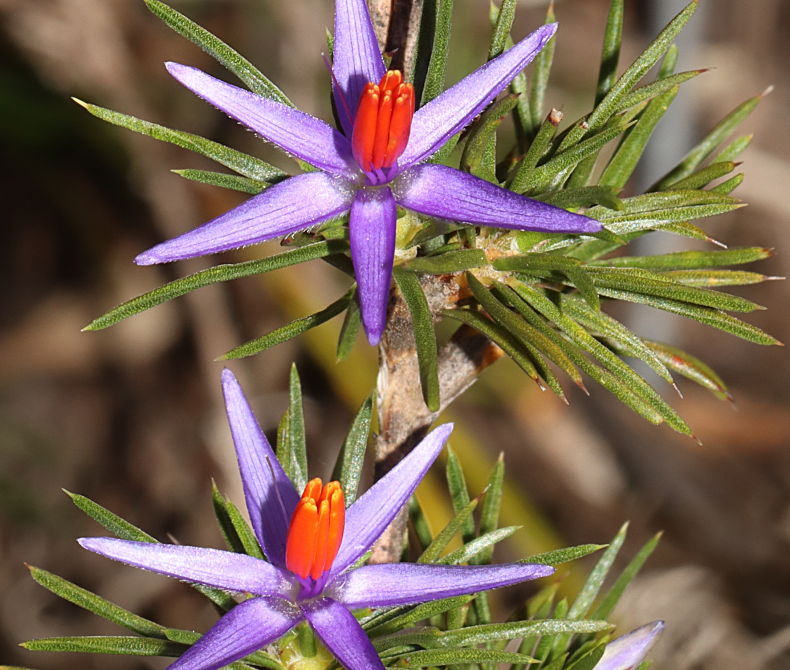
New projects will fill gaps in Australia’s national biodiversity data system Posted on 11th December 2025 Six new biodiversity data mobilisation projects will contribute approximately 85,000 new records to the Atlas of Living Australia (ALA) under our Aust…
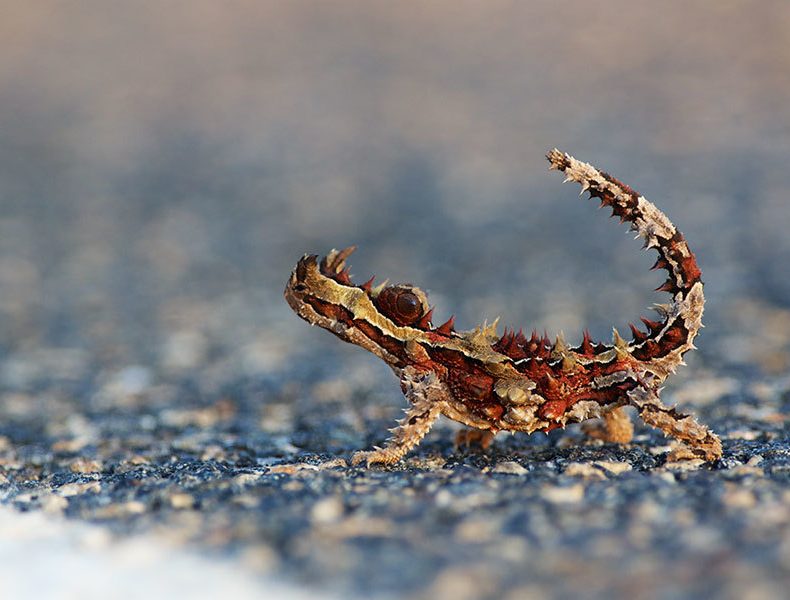
How do we get more rare species records? Posted on 19th March 2025 While some species have millions of observations recorded in the Atlas of Living Australia (ALA), many lesser-known species have few or even no public…
New biodiversity data set to benefit all Posted on 17th December 2024 The Atlas of Living Australia's (ALA) Australian Biodiversity Data Mobilisation Program (ABDMP) offers grants to support people and institutions in ma…
An iNaturalist Australia milestone Posted on 15th October 2024 After launching internationally in 2008, iNaturalist has blossomed into one of the most popular citizen science platforms in the world with more than …
EcoAssets launched: access streamlined data for environmental reporting Posted on 21st July 2022 Through EcoAssets, the Atlas of Living Australia (ALA), Integrated Marine Observing System (IMOS) and Terrestrial Ecosystem Research Network (TERN) a…
ALA webinar: Environmental data infrastructures – Data and technology trends Posted on 2nd December 2021 Australia faces a range of challenges in how best to monitor and manage its unique and challenging environment. In this context, projects to collate a…
ALA webinar: Innovations in biodiversity data management Posted on 9th June 2021 It is now easier than ever to capture biodiversity information, with innovations in smartphones, digitisation and data storage driving massive growth …
Helping you search and filter data in the ALA Posted on 23rd February 2021 Our new data quality filters, called Data Profiles, allow you to filter out incomplete or inconsistent records. This makes it easier to find the data …
Improving access to sensitive species data Posted on 17th February 2021 Data for sensitive species is critical for researching and managing our threatened species and ecosystems. Currently, sensitive species data is hard t…